Beyond Endurance: Building Systems Where Black Men and Boys Can Thrive
The inaugural convening of The John Henry Institute on Black men’s health, policy, power, and possibility.
EARLY JUNE 2027 • WASHINGTON, DC metro area
Convening during Men’s Health Month.
Venue and program details forthcoming.
This Men’s Health Month, join us to connect awareness with action.
Black men and boys deserve systems that support their health, recognize their humanity, and expand their opportunities to thrive. The inaugural John Henry Summit will bring together community members, advocates, health professionals, researchers, policymakers, and institutional partners to explore what must change and how we can advance that change together.
Why John Henry?
Two Stories. One Call to Change.
Our name draws on two stories explored in The John Henry Health Equity Playbook by Dr. Okey K. Enyia. Together, they reveal the human cost of expecting Black men to overcome systemic barriers through strength and determination alone.
John Henry and the Mountain
In the legend, John Henry was a Black steel-driver who hammered steel into solid mountain rock to carve a path for a railroad tunnel. Challenged by a steam-powered drill, he won the contest through extraordinary effort. He then died from exhaustion.
In our telling, the mountain symbolizes the systemic barriers Black men confront across generations. Racism, economic insecurity, unequal access to care, and institutional neglect can make everyday pursuits, including providing for a family, maintaining health, and securing opportunity, require extraordinary endurance.
The John Henry Institute carries this story forward with a commitment to changing those conditions. Through research, policy innovation, and collective action, we work to dismantle barriers and build pathways to health, dignity, and opportunity.
John Henry Martin: The Lived Experience
John Henry Martin was a Black North Carolina farmer, born in 1907, who worked to free his family from debt, at significant cost to his health. His experience, documented in a 1978 interview with epidemiologist Dr. Sherman James, helped inform scholarship on the John Henryism hypothesis.
John Henryism describes sustained, high-effort coping with difficult social and economic conditions. The hypothesis examines how persistent striving, particularly when resources are limited, may contribute to high blood pressure and related cardiovascular risks.
Martin’s story illustrates how determination can help a family move forward while the conditions requiring relentless effort take a toll on health.
THE JOHN HENRYISM FRAMEWORK
Beyond Endurance
The story of John Henry, and the John Henryism framework, invites us to examine the health costs of sustained effort under difficult conditions. For JHI, that examination leads to a larger responsibility: changing the conditions themselves.
The John Henry Summit recognizes the strengths, contributions, and aspirations of Black men and boys while directing attention toward the systems that shape health, opportunity, belonging, and longevity.
Our two central questions:
1) What must institutions change so that Black men and boys can live, lead, parent, work, and age without sacrificing their health to survive?
2) What must we reimagine, build, and sustain so that Black men and boys inherit opportunity, experience well-being, and shape the future?
Why We’re Coming Together
Health is shaped in clinics, classrooms, workplaces, neighborhoods, and the decisions institutions make every day.
The Summit will bring community experience into conversation with research, policy, and practice. Together, we will explore where systems fall short, what promising approaches can teach us, and where shared action can create healthier futures.
The experiences and priorities of Black men and boys must inform how challenges are defined, solutions are shaped, and progress is measured.
From the Playbook to Community Action
Building on The John Henry Health Equity Playbook, the Summit will introduce the Institute’s approach to connecting evidence, community knowledge, policy, and implementation.
We will explore how the Playbook can inform emerging community initiatives, stronger institutional partnerships, and changes in policy and practice.
This inaugural gathering is an opportunity to build relationships and identify priorities that can guide the work beyond the Summit.
Being specific does not mean being exclusionary.
The John Henry Summit centers Black men and boys because the barriers they face deserve focused attention and action. Their experiences, strengths, and priorities are diverse, and their voices should shape the policies and services that affect their lives.
Health equity is a shared responsibility. We can advance the health of Black men and boys while also advancing the health of Black women and girls and people across communities. When we work together to make care easier to access and more responsive to people’s needs, families and communities benefit.
We invite people and organizations across communities to work alongside Black men and boys, learn from one another, and change the policies and practices that stand in the way of good health.
What We Aim To Advance
01
Community-Informed Priorities
Examine how policies and systems affect Black men and boys, drawing on community knowledge and lived experience to identify priorities for change.
02
Institutional Responsibility
Examine how health systems, government, employers, educational institutions, and other organizations can improve the conditions that shape health and opportunity.
03
Connections Across Sectors
Build relationships among community members and institutions positioned to support future initiatives.
04
Practical Next Steps
Identify opportunities to carry the conversation into organizational decisions, community partnerships, and policy advocacy.
Who Should Participate?
We welcome:
Black men, families, and community members.
Community advocates and organizations.
Health professionals and health systems.
Researchers and educators.
Policymakers and government staff.
Employers, funders, and institutional partners.
You do not need a policy or health care background to contribute. Community knowledge and lived experience belong at the center of this work.
What to Expect
The program is being developed around the connections among health, policy, power, and institutional change.
We are planning opportunities for shared learning, community perspectives, dialogue, and relationship building. Program development will be guided by the question of how systems can better support Black men’s and boys’ ability to thrive.
Confirmed speakers, session formats, and participation details will be announced as planning progresses.
Why June: Health, Freedom, and Fatherhood
June is Men’s Health Month, an opportunity to elevate men’s and boys’ health and strengthen the conditions that support well-being throughout their lives.
The John Henry Summit will use this moment to connect individual health with institutional responsibility. Alongside encouraging preventive care and access to support, we will examine how policies, workplaces, health systems, schools, and communities can make healthier lives possible.
Planned for early June 2027, ahead of Juneteenth and Father’s Day, the Summit brings three connected priorities into focus:
Health and longevity
Supporting Black men and boys in accessing care, experiencing well-being, and thriving throughout their lives.
Freedom and opportunity
Examining how institutions can remove barriers and expand the conditions for meaningful choice, belonging, and participation.
Fatherhood, family, and community
Recognizing Black men’s relationships and contributions as fathers, caregivers, mentors, partners, and community members, while affirming that every Black man’s and boy’s health matters.
Our invitation is to make Men’s Health Month a starting point for commitments that continue throughout the year.
PARTICIPATION & UNDERWRITING TRACKS
Help Make Our Inaugural Summit Possible
Help build a gathering that connects community voices with people and institutions positioned to advance change.
Explore Sponsorship
Discuss financial support and potential sponsorship opportunities.
Contribute In-Kind Support
Share services, space, supplies, or other resources that could support the Summit.
Explore a Partnership
Tell us how your organization’s experience, relationships, or work could contribute.
Express interest in volunteering
Let us know you would like to hear about volunteer opportunities as needs are defined.
Give to Support the Summit
Help make the inaugural John Henry Summit possible.
Your gift supports the planning and delivery of a gathering focused on community voices, institutional responsibility, and practical solutions for Black men’s and boys’ health.

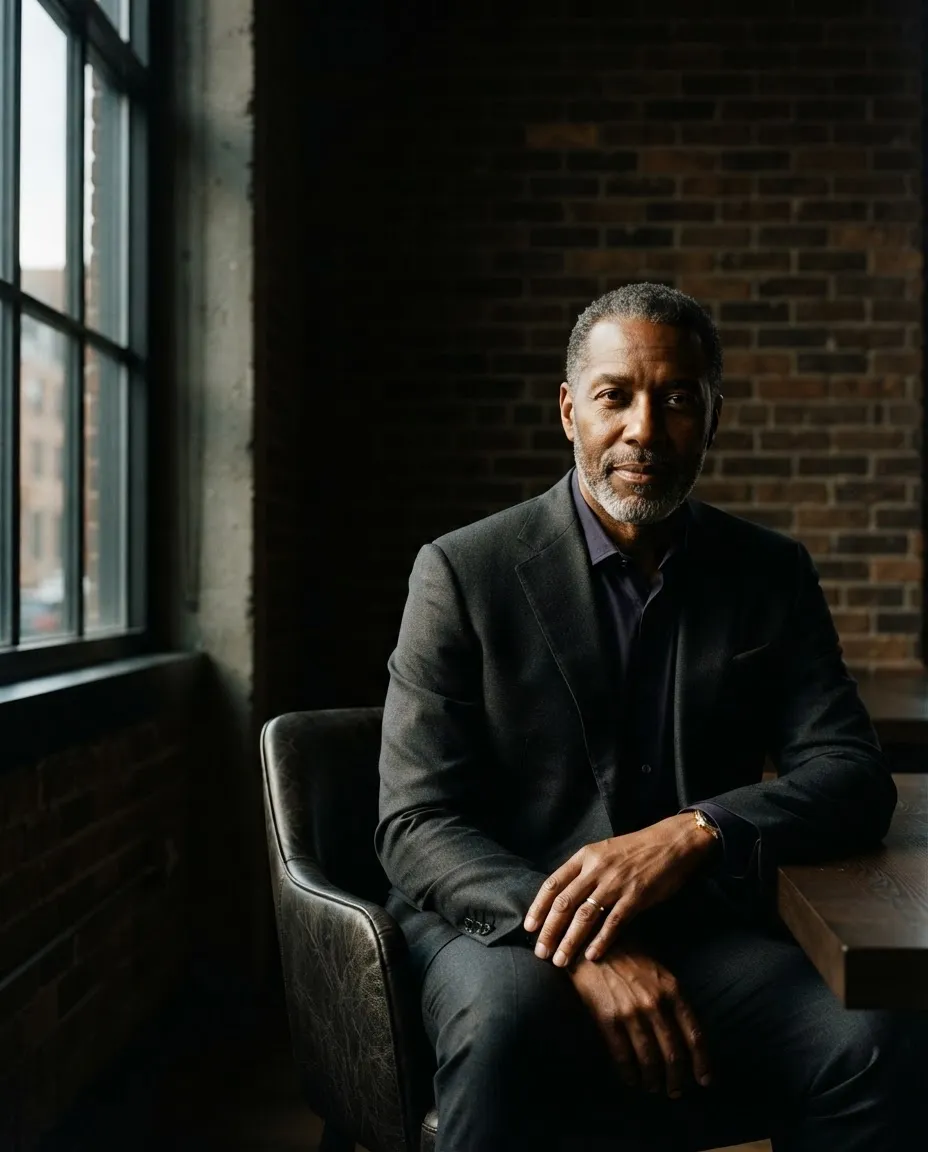
Dr. Okey K. Enyia
Founder & Executive Director
John Henry Institute for Black Men's Health and Policy Innovation
About the Host
The John Henry Institute for Black Men’s Health and Policy Innovation serves as an architect and convener of systems-level policy and practice solutions to improve outcomes for Black men and boys.
Founded by Dr. Okey K. Enyia, the Institute connects research, community knowledge, policy, and partnership to advance healthier futures.
The John Henry Summit is the Institute’s principal convening, bringing these connections into a shared space for learning, relationship building, and action.
Frequently Asked Questions
When and where is the Summit?
The inaugural John Henry Summit is planned for early June 2027, in Washington, DC, during Men’s Health Month. Venue details will be announced as they are confirmed.
What is the 2027 theme?
“Beyond Endurance: Building Systems Where Black Men and Boys Can Thrive.”
The theme recognizes the strength and contributions of Black men and boys while focusing on what institutions must change to better support their health, opportunity, belonging, and longevity.
Is registration open?
We are currently collecting expressions of interest.
Completing the interest form does not register you for the Summit. Registration instructions will be shared when available.
Will there be a registration fee?
Registration costs, if any, will be announced before registration opens.
Will virtual participation be available?
Participation formats are still being determined. Sign up for updates to receive confirmed details.
Do I need to work in health care or policy to attend?
No. We welcome community members and people across sectors who share an interest in improving Black men’s and boys’ health.
How can my organization get involved?
Complete the interest form and select the sponsorship, partnership, or in-kind support options that match your interests. You may include a brief description to help our team understand the opportunity and follow up as appropriate.
Where can I find accessibility information?
Accessibility and accommodation information will be shared as venue and event arrangements are confirmed. For questions during planning, contact [email protected].
How will my contact information be used?
JHI will use the information you submit to respond to your inquiry and, if you opt in, send Summit updates. Any option to receive broader JHI news will be offered separately.
This Men’s Health Month, Be Part of the Beginning
Join a growing community working to build systems where Black men and boys can thrive.
Sign up for registration announcements, program updates, and opportunities to participate in the inaugural John Henry Summit. Together, we can turn a month of heightened attention into sustained partnerships and action.
SUMMIT INQUIRY
INSTITUTE ACTIONS
CONVENER & HOST
Dr. Okey K. Enyia
Founder & Executive Director
John Henry Institute for Black Men's Health and Policy Innovation
Inquiries: [email protected]
© 2026 The John Henry Summit. All rights reserved. Convened by Dr. Okey K. Enyia & The John Henry Institute for Black Men's Health and Policy Innovation